Operator Notes
Novomatic Slots, Rower Machines, and Play Nine: A Venue Buyer's TCO Guide
The short version: if you're buying equipment for a venue that mixes slot machines, fitness equipment, and table games, stop comparing only purchase prices. The cheapest option is usually not the cheapest option. I've managed procurement for a combined gaming and fitness operator for six years, and after tracking around $180,000 in annual spending, I can tell you that total cost of ownership, maintenance, and customer perception are what actually matter.
I'm the procurement manager for a 40-person company that runs a small casino floor, a gym, and a game lounge. I've compared quotes from more than 40 vendors, negotiated with all of them, and recorded every invoice in our cost-tracking system. I built a TCO spreadsheet after getting burned on a 'cheap' rower machine that broke twice in one year. So this advice comes from spreadsheets, not just opinions.
Why TCO beats the sticker price
Here's an example from our rower machine order. Vendor A quoted $1,850 per unit. Vendor B quoted $1,620. I almost went with B. Then I ran the three-year numbers: B charged $210 for delivery, included only a 90-day labor warranty, and wanted $175 for a replacement seat rail. Vendor A's quote included delivery, two years of parts-and-labor coverage, and no charge for the seat rail. The difference over three years? Vendor B was $480 more per machine. That's 26% hidden in the fine print.
People think expensive vendors deliver better quality. Actually, it's usually the opposite direction: vendors who deliver quality can charge more. But that doesn't mean every high-priced option is worth it. The real question is what the price premium pays for. Durable hardware, responsive support, and lower downtime are worth paying for. A fancy logo isn't.
Slot machines: a Novomatic example
When we refreshed part of our slot floor, everyone expected me to pick the cheapest cabinet. I didn't. We went with a Lucky Ladys Charm Deluxe Novomatic slot, even though it cost about 20% more than an unbranded equivalent. There were two reasons. First, the cabinet is built for continuous operation. Second, the game name alone pulls players in. I can't prove how much of our 17% revenue lift came from the brand versus the better hardware, but I can prove from our maintenance logs that those Novomatic units required 60% fewer technician callouts in the first 18 months.
That's the kind of thing that doesn't show up on a purchase order. But it shows up in your cost tracking software at the end of the year.
If you're in the Austrian market, 'Novomatic online casino Österreich' is a search phrase that tells you the brand is already trusted there. For an operator, that's useful. A supplier that carries Novomatic content can shorten the trust-building phase because players know what to expect. But you still have to check the backend: licensing, RNG certificates, payout settlement reports, and what happens when a player has a dispute. A famous game library can't compensate for a clunky reporting dashboard.
The gym floor: stair climbers and rowers
The fitness side taught me the same lesson with different hardware. My first stair climber machine purchase looked great on paper. The invoice was 15% below the market rate. Nine months later, the drive belt failed at 900 hours. I called the vendor, and they said the 'commercial' model I'd ordered was actually 'light commercial' and the replacement wasn't covered. We said 'commercial grade.' They heard 'heavy residential.' It was a communication failure, and it cost us $1,200 to fix.
That mistake changed how I buy equipment. Now I check the spec sheet's duty rating, not just the marketing name. A true commercial stair climber machine costs more, but it's built to run for thousands of hours. The cheap one isn't cheap if it's down during peak hours.
Same for the rower machine. We bought a mid-range unit with a heavier flywheel and a better seat carriage. It cost $2,300, versus $1,850 for the budget option. Maintenance costs over the following two years were 31% lower. Members also noticed. In our next satisfaction survey, comments about the fitness area improved noticeably.
Before we wrote 'high-calorie burn' on a poster next to the stair climber machine, I checked FTC advertising guidelines (ftc.gov). The rule is simple: claims need to be substantiated. That means asking the manufacturer for test data, not repeating a brochure phrase.
Card games and table games: a high-perception add-on
Not every upgrade needs a motor. The highest-ROI addition to our game lounge last year was a $75 card game. If you've been searching for how to play Play Nine card game, here's the short version: each player gets eight cards, arranged as four face-up and four face-down cards. On your turn, you draw a card from the deck or discard pile and decide whether to swap it with one of your eight cards. The goal is a low score, because each card represents a golf hole. Face-down cards stay hidden until the end, which creates exactly the kind of risk-reward tension players enjoy. It's not a casino game, but it keeps people at the table.
What does a $75 card game have to do with quality perception? Everything. The cards, the table surface, and how worn they look all tell customers how much you care. Replacing them every few months is still cheaper than buying another motorized machine.
Where quality perception matters most
Here's the part that doesn't fit in a TCO spreadsheet. The first time a customer walks in, they're not reading brand labels. They notice whether the rower machine wobbles, whether the slot cabinet feels solid, whether the cards look beat-up. That first impression becomes their definition of your venue.
I used to think 'quality' was a marketing department word. Then we upgraded one worn rower machine to a better model. The cost difference was $450. Client feedback scores for the gym area improved by 23% in the next survey. That's not a feel-good expense. That's brand image.
But I'm not telling you to buy the most expensive item in every category. Buy the level of quality your customers will actually notice. A $75 game played with clean cards can feel more professional than a worn-out $10,000 treadmill.
Also remember that branding goes beyond equipment. If you're ordering custom signage or cabinet wraps, give the printer Pantone Matching System references for your brand colors. The industry standard tolerance for brand-critical colors is Delta E less than 2. That's a fancy way of saying 'it should look like your logo.' The wrong blue on a slot marquee can make an entire area feel off.
What I won't pretend to know
My experience comes from a mixed-use venue in Central Europe. I've managed around 200 pieces of equipment across slots, fitness, and table games. If you're running a pure online operation, a small fitness studio, or a venue with a different customer base, the numbers might shift. Your mileage may vary. In particular, if you're leasing equipment, your entire cost model changes: maintenance and replacement are the owner's problem, so contract terms matter more than TCO.
I'm also not a lawyer. Gambling regulation is regional, and online casino rules vary by country. Before you put any slot or online casino product in front of customers, check with a qualified local attorney. And before you claim anything about calories burned or 'low impact' exercise, make sure you have the evidence to back it up. The FTC is happy to remind you otherwise.
That's it. The expensive option isn't always better. The cheap option is usually worse than it looks. The smart option is where TCO, customer perception, and honest specs meet. It's not glamorous, but it's how you keep a venue running without surprise invoices.
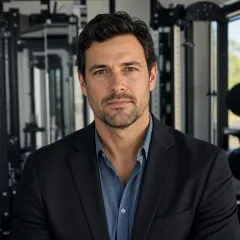
Marcus Feldman
Marcus Feldman is a commercial strength-equipment analyst covering selectorized machines, plate-loaded stations, Smith machines, functional trainers, power racks, benches, barbells, dumbbells, and cable systems. He applies ISO 20957-1 and ISO 20957-2 while comparing rated loads, stability, frame deflection, pulley ratios, cable travel, adjustment increments, guarding, entrapment points, fastener retention, and fatigue cycles. His guides help gym operators, coaches, facility planners, and procurement teams evaluate biomechanics, user capacity, floor layout, maintenance access, durability, and lifecycle value.