Operator Notes
A Practical Novomatic Buyer's Checklist: Slots, Fitness Equipment, Headphones, and Table Games
If you buy equipment for a casino floor, a fitness studio, or a venue that mixes both, this checklist is for you. I've been a procurement manager for indoor entertainment and fitness projects for nine years. In that time, I've made and documented thirteen significant ordering mistakes, totaling roughly $31,000 in wasted budget. I keep a seven-point checklist on the wall. Here it is.
The goal is simple: before you sign for any delivery, run the item through all seven checks. It won't take more than half an hour per category, and it's saved me more than once.
The 7-Point Checklist
- Check the legal and licensing setup first. Most buyers focus on the brand name and completely miss the compliance question. Whether you're buying slot machines for a land-based venue or setting up an online casino floor, the supplier's hardware is only part of the story. When you search for 'novomatic casino uk' or 'mejor casino online novomatic', the licensing angle is non-negotiable. If your market is in the UK, look at the Gambling Commission's licensed operator list before you sign anything (accessed January 2025). I once skipped this step because we were only placing four machines, and the UK licensing notice arrived three weeks later. We had to unplug them. (note to self: never assume the distributor handles jurisdiction approvals.)
- Define what 'casino games' means for your floor. Slot machines (meaning electronic gaming machines, not just cabinets with screens) run specific software titles. The frame can look identical while the game mix feels old or repetitive. In my opinion, the game list matters more than the cabinet chassis. When evaluating Novomatic casino games, ask for the exact software version, the RTP (return to player) range, and the update policy. We once ordered twenty units based on a brochure; the units arrived with an older title set, and the upgrade cost ate our savings.
- Test audio equipment with the actual games players will use. If you're setting up a PC gaming corner, buying good gaming headphones isn't enough—it has to work well with your specific library. For example, we built a station around the Ready or Not video game. The headphones we ordered had great specs on paper, but in a busy venue they let in too much crowd noise. We replaced thirty headsets after a weekend of complaints. Closed-back headphones (meaning the cups seal around your ears) block ambient sound far better than open-back models. Bring the game console, run a sound-sensitive round, and listen for footsteps before you buy in bulk.
- Check your physical space for fitness equipment—twice. A rowing machine, an elliptical, and a cable machine each have different space and service access needs. Most buyers focus on the number of stations and miss the clearance behind the equipment. It sounds pretty simple, but the route through the building matters. Based on publicly listed specs from commercial fitness suppliers (January 2025), air-resistance rowers are often over 250 cm long; measure your route through doors and corridors. We learned this when a pair of elliptical trainers couldn't make the turn into the second-floor studio. That was a $700 rigging bill.
- Don't overlook the social games corner. If you add tabletop games, make sure someone on staff can explain the basics. I assumed card games are self-explanatory; they aren't. When we put a rummy table in the lounge, customers asked us how to play rummy card game and no one could explain the deal. You don't need a full training course—just a printed rule sheet and one employee per shift who knows the objective.
- Verify software compatibility before you connect everything. Slot machines and fitness equipment often require management software or a companion app. Confirm the machine's data feed works with your existing dashboard before the delivery date. The same goes for gaming peripherals: a USB headset dongle can conflict with venue-grade Wi-Fi systems, and a firmware update on the rower might break the app connection. (mental note: always check the device firmware version against the supplier's support matrix.) I'd rather test one unit for three days than roll out fifty and discover a conflict on day one.
- Create a formal acceptance process. We didn't have a formal pre-delivery checklist at first. That cost us when a whole order of cable machines arrived with the wrong pulley sizes—nobody caught it because we didn't have a written walkthrough. Now, for every order, we check model numbers, serial numbers, software versions, and voltage labels before signing the delivery sheet. The goal isn't to be suspicious; it's to have a repeatable process.
Last-Minute Warnings
The biggest blind spot I see in other operators is focusing on unit price. The real cost includes delivery, setup, licensing, training, and maintenance. I've seen a 'cheap' slot machine cost more than the premium model once the optional license and update fees appeared. Ask what's not included.
Another mistake is skipping a final electrical check because the equipment is marked 'plug-and-play.' That was the one time the voltage rating didn't match our building supply. Damage wasn't catastrophic, but the downtime was.
Finally, remember that expertise has boundaries. A vendor who says 'we don't service fitness equipment—here's a trusted partner' is more valuable than one who claims to do everything. I'd rather work with a specialist who knows their limits than a generalist who overpromises.
Buying for a mixed venue is never a single-category decision. But with the right checklist, it can be a manageable one.
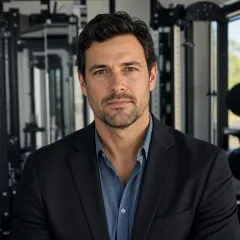
Marcus Feldman
Marcus Feldman is a commercial strength-equipment analyst covering selectorized machines, plate-loaded stations, Smith machines, functional trainers, power racks, benches, barbells, dumbbells, and cable systems. He applies ISO 20957-1 and ISO 20957-2 while comparing rated loads, stability, frame deflection, pulley ratios, cable travel, adjustment increments, guarding, entrapment points, fastener retention, and fatigue cycles. His guides help gym operators, coaches, facility planners, and procurement teams evaluate biomechanics, user capacity, floor layout, maintenance access, durability, and lifecycle value.